



In eCommerce, average order value (AOV) is often treated as a simple numbers game: add more products, push more recommendations, increase the cart total. But here’s the reality – customers don’t buy more because you show them more. They buy more when buying feels easier, more relevant, and more engaging.
The best way to increase AOV isn’t more options – it’s better ones.
Let’s see how to rethink average order value in email marketing – from simple product pushing to more thoughtful, high-converting experiences.
Average Order Value Is Really About Decision Quality
Average order value is one of the most important metrics in eCommerce – it tells you how much customers spend per order on average. It’s a key driver of revenue growth because increasing AOV means you earn more from each transaction without the need to acquire new customers.
But AOV isn’t just a number – it’s a reflection of how confident customers feel when making a purchase.
When shoppers hesitate, they buy less. When they feel guided, they buy more.
And here’s where email marketing plays a powerful role. Instead of overwhelming subscribers with endless product grids, your emails can act as a decision-making shortcut.
Shift in Thinking:
❌ More products = higher AOV
✅ Better recommendations = higher AOV
How to Calculate Average Order Value
Before improving AOV, it’s important to understand how it’s measured:
| AOV = Total Revenue ÷ Number of Orders
* For example, if your store generates €10,000 from 200 orders, your AOV is €50. |
This simple formula helps you track how much customers spend per transaction – and how your email strategies impact that number over time.
Reducing Decision Fatigue in Your Emails
Modern eCommerce customers are flooded with choices, and email marketing fatigue is a real thing that happens. Too many options can actually reduce order size; in the worst case, they can even make tired subscribers unsubscribe altogether.
If your automated emails look like this:
- “You may also like” (6–12 random items)
- Generic bestseller grids
- No clear context or use case
…you’re increasing cognitive load, not conversions.

What to do instead?
👉 Focus on curation over volume:
- Limit recommendations to 3–5 highly relevant items
- Group products with a clear purpose
- Guide the next step in the buying journey
Think of your email as a helpful salesperson, not a product catalog.
The most effective recommendations are based on clear signals: what someone has browsed, purchased, clicked, or even ignored. A first-time visitor might respond better to simple, popular entry-point products, while a repeat customer may expect complementary items or upgrades tied to their past purchases. Email timing matters too: what’s relevant right after a purchase is different from what’s useful weeks later.
In practice, this means segmenting your audience and tailoring recommendations accordingly. New vs. returning customers, high-value vs. occasional buyers, and category-specific interests should all influence what you show. When each subscriber feels like the email “fits” their needs and context, decision-making becomes easier.
From Product Blocks to Narrative-Based Recommendations
Static product blocks are easy to build, but they rarely inspire action. To increase average order value, shift from listing products to telling a story.
Curated, themed recommendations outperform generic suggestions because they answer a deeper question: “Why should I buy this together?”
Turn Recommendations Into Mini-Stories
Instead of “You may also like”, try:
- “Build Your Perfect Workspace”
- “Weekend Essentials Kit”
- “Top Picks for Your Last Purchase”
These aren’t just product groups – they’re use cases. They help customers visualize ownership.
This all works because it creates emotional connection, increases perceived value of bundles, reduces decision effort, and encourages multi-item purchases. All of which naturally lifts AOV.
| You can take this even further by applying storytelling techniques in your emails. framing products around scenarios, emotions, or outcomes. If you want inspiration, our article “Persuading the Metrics With the Art of Storytelling in Emails“ offers a great starting point! |
Bundling: The Smartest Way to Increase Average Order Value
Instead of pushing multiple individual products, highlight bundles and sets. Bundling reframes price perception and makes a higher AOV feel like a better deal.
When customers see products grouped together with a clear benefit, they’re more likely to:
- Buy more items at once
- Perceive higher value
- Feel confident in their purchase
It’s even been shown that grouping products together can lead to more sales and savings, so it’s great for both the seller and the buyer.
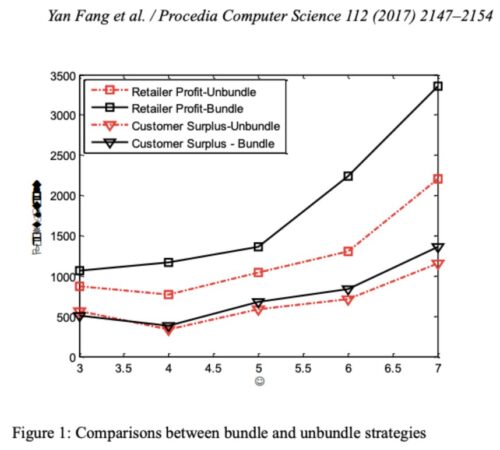
Tactics you can use in email:
- Pre-built bundles (“Complete the Look”, “Starter Kit”)
- Dynamic bundles based on browsing or cart behavior
- “Frequently Bought Together” sections that feel helpful, not pushy
The key is to make the bundle feel intentional – not just a sales tactic.
Think Beyond Campaigns: Build a Lifecycle Revenue System
One-off campaigns can increase AOV, but the real impact comes from treating email as a continuous optimization system.
Different moments in the customer lifecycle create different opportunities to increase order value.

Where AOV Is Won (or Lost)
Welcome Flow
Introduce premium products early. Don’t be afraid to introduce the best you’ve got in your welcome email – just keep in mind to do it tastefully. Set expectations for quality and price range.
Post-Purchase Emails
Recommend complementary products:
- Accessories
- Refills
- “Complete the set” items
This is one of the highest-converting moments – customers have already said yes.
Winback Campaigns
Don’t just offer discounts. Curate higher-value selections tailored to past behavior.
Make Recommendations Feel Timely, Not Automated
Automation shouldn’t feel robotic.
To truly impact average order value, your emails need to feel:
- Contextual
- Timely
- Behavior-driven
Examples:
- “Still thinking about this? Here’s what pairs perfectly with it.”
- “Customers who bought this also upgraded with…”
- “Running low? Stock up and save.”
The more relevant your timing and messaging, the more natural it feels to add extra items to the cart.
But… Remember, AOV Isn’t Always the Main Goal
It’s tempting to chase a higher average order value at all costs – but that can backfire. What happens when you push too hard?
Blindly optimizing for AOV can:
- Lower conversion rates
- Overwhelm customers
- Increase returns
- Damage trust
If every email tries to upsell aggressively, customers may hesitate or abandon the purchase entirely. Here’s where you need to find a better approach.
Focus on profitable and sustainable AOV:
- Prioritize relevance over volume
- Balance conversion rate with order size
- Build trust first, revenue second
Sometimes, a smaller order today leads to a bigger lifetime value tomorrow.

Relevance Drives Revenue: Increase Average Order Value With Better Emails
Increasing average order value in email marketing isn’t about adding more products – it’s about adding more meaning.
When your emails reduce decision fatigue, tell better product stories, use bundles strategically, align with the customer lifecycle, and deliver relevant recommendations, AOV becomes a natural outcome – not a forced tactic.
In the end, customers don’t spend more when they’re pushed. They spend more when they’re understood. And the brands that understand their customers best are the ones that win not just bigger orders, but long-term loyalty and sustainable growth.