

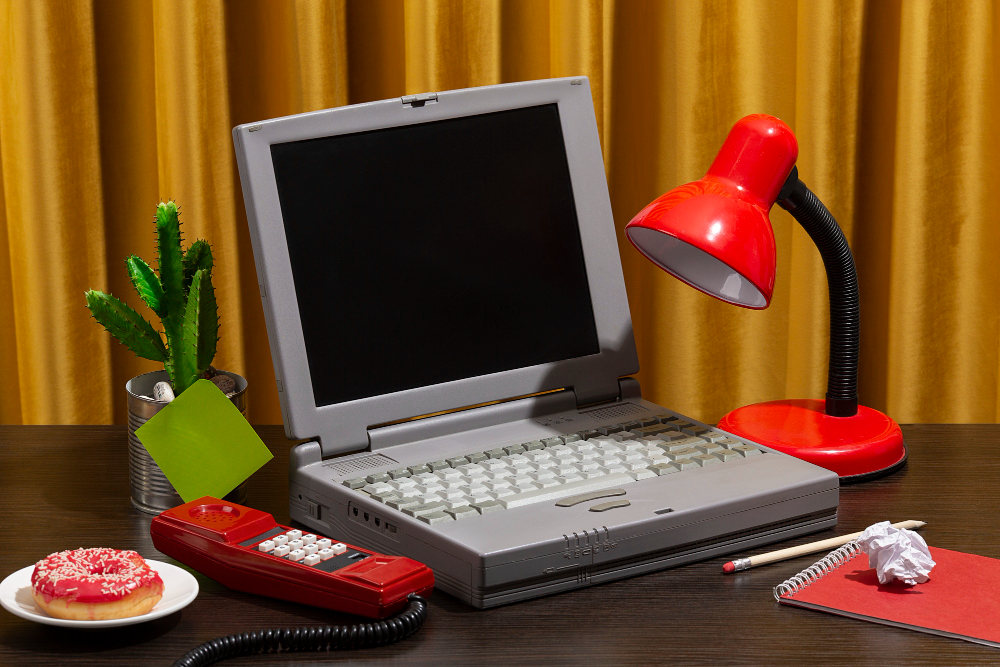

Have you noticed that everyone is so nostalgic lately? Indeed, in the current climate, people are missing warmth and familiarity more than before, and here we are not talking about meteorology. That’s exactly why nostalgia in marketing still keeps working: it gives people a soft landing. It also gives your brand a chance to feel instantly “known”.
So, let’s take a trip down memory lane and see if your emails could benefit from sprinkling a little nostalgia into them, too.
What is Nostalgia and Why Does it Resonate?
Nostalgia is a bittersweet emotion – a fond longing for the past – that can boost comfort, belonging, and trust.
According to Merriam-Webster’s dictionary, nostalgia is defined as:
a sad pleasure experienced in recalling what no longer exists: a wistful or sentimental yearning for a return to or the return of some real or romanticized past period or some irrecoverable past condition or setting”.
In marketing, that often translates into quicker emotional connection and easier decision-making (“this feels safe”, “this feels like me”).
People have always been prone to being sentimental. What makes nostalgic triggers powerful is not the decade – it’s the memory cue: a sound, a phrase, a visual texture, a ritual, a “remember when” moment.
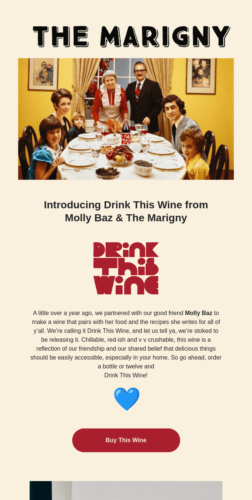
Who Nostalgia Works Best on
Nostalgia isn’t limited to boomers, nor just a “millennial thing.” Gen Z loves it too – just with some different reference points (early internet aesthetics, 2000s pop culture, gaming, different childhood cartoons, “old-school” tech). Millennials might react to 90s/00s memories, while older segments often lean into “classic quality”, tradition, and craftsmanship. Maybe some golden hippie times thrown in the mix, also.
This is where segmentation may help – grouping your audience into smaller sets based on shared traits or behaviour. A 90s throwback campaign sent to everyone can easily fall flat, or even confuse people who don’t share the same cultural reference points.
At the same time, nostalgia doesn’t always need to be treated so strictly by age group. It can be approached more freely by looking at broader trends rather than rigid generational boxes. Gen Z and Gen X, for example, can absolutely feel nostalgic about the same things – even if for different reasons.
In fact, many of the popular “cores” embraced by Gen Z can also be understood as a form of nostalgia. Trends like cottagecore, dark academia, Y2K aesthetic, kidcore, and even goblincore romanticize specific moods, time periods, or imagined pasts. They often idealize slower living, analogue experiences, vintage fashion, early-2000s design, or fantasy-inspired worlds. Even when these aesthetics reference times Gen Z didn’t personally experience, they still evoke a longing for something that feels familiar, comforting, or emotionally meaningful.
This connects to the concept of anemoia — nostalgia for a time or a place one has never personally known. The term, coined by John Koenig in 2012, describes that wistful longing for an era experienced only through stories, aesthetics, or media. Younger generations frequently experience this kind of second-hand nostalgia, forming emotional attachments to decades they never lived through.
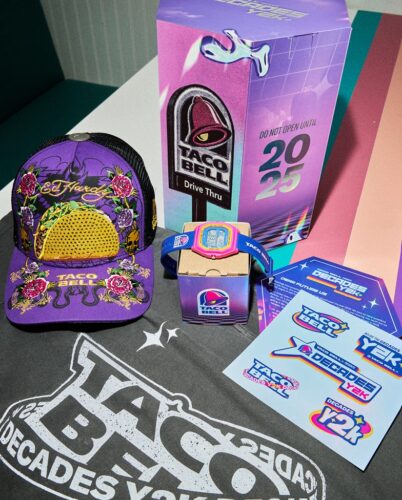
Because of this, nostalgia marketing doesn’t have to be limited by birth year. It’s less about age and more about shared emotional meaning, cultural exposure, aesthetic trends, and the stories people connect with.
Bottom line: understand what your audience finds familiar and comforting, consider your brand tone, and remain curious enough to explore new (and even unexpected) forms of nostalgia yourself.
How to Use Nostalgia in Email Marketing?
It is important to note that nostalgia can have different effects, and ideally, it should work in a positive way.
As highlighted in research published in Frontiers in Psychology by Sarah R. Cavanagh, Ryan J. Glode, and Philipp C. Opitz, nostalgia is a complex emotional experience:
“Nostalgia is an intriguing phenomenon. On the one hand, nostalgia can be positive, imbued with a rosy glow of familiarity and belongingness. On the other hand, it can be negative, accompanied by longing, loss, and frustrated desire. Nostalgia often melds both positive and negative experiences.”
In their conclusion, the authors note that “engaging in nostalgia leads to a lingering of sadness.” However, this finding is primarily discussed in the context of interpersonal relationships. When familiar elements are introduced through branding, the effect may differ. Familiar brand cues can make a brand feel more personal and relatable, strengthening emotional connection and boosting engagement.

When using nostalgia in email marketing, it is also important to recognize that not all nostalgia is the same. There is nostalgia for things that are still possible, and nostalgia for things that are gone forever. As marketers, the goal is rarely to make audiences feel sad – ideally, tears should come only from happiness over incredible offers.
That is why it is worth considering whether the nostalgic trigger you are using points to something people can still experience (being together with friends, childlike sincerity, a mindset they can reconnect with) or something that is permanently out of reach.
Whenever possible, it is wiser to lean into nostalgia that feels attainable.
If the emotional reference point is something people can still recreate or rediscover, the effect is more uplifting and empowering. Since the aim of branding and communication is to inspire and elevate, nostalgia should ultimately leave people feeling warm, hopeful, and connected – not stuck in loss.
Below are practical ways to weave nostalgia into concept, copy, and design – plus examples you can steal.
1. Start With the Concept: Choose Your “Memory Lane”
Remember when Stranger Things took the world by storm? Its success wasn’t just the story – it was the heavily nostalgia-based theme. Retro visuals, familiar ’80s vibes, and throwback tunes drew in both younger viewers discovering the era (whilst feeling anemoia) and older fans reliving it. Some of those classic tracks even went running up that hill (sorry — couldn’t resist), climbing their way back to the top of the charts.
Nostalgia indeed drives action, so start your own campaign the same way: pick one clear nostalgic anchor and build everything around it.
For instance:
- A shared ritual: Saturday morning coffee, first day of school, summer road trips
- A familiar format: mixtape, diary entry, postcard, “TV guide”, game level
- A brand memory: “Since 1998…”, your first product, old packaging, early photos
- A cultural moment: retro tech, vintage design, iconic trends (careful with rights/trademarks)
2. Make Nostalgia Work in Subject Lines (and Earn the Open)
Nostalgic subject lines work best when they’re specific and sensory.
- Regular: “New arrivals for spring!”
Nostalgic: “Like the first warm day after school ⛅” - Regular: “20% off this weekend”
Nostalgic: “Weekend plans: snacks, comfort, and -20%” - Regular: “We miss you”
Nostalgic: “Long time no see – remember this?”
Tip: keep it human. Nostalgia should feel like a wink, not a billboard.
3. Use the Preheader as the “Memory Trigger”
A preheader is the short preview text that appears next to/under the subject line in many inboxes.
Use it to finish the emotional sentence:
- Subject: “Remember the ‘good old days’?”
Preheader: “We turned that feeling into a limited drop.” - Subject: “A little throwback for your inbox”
Preheader: “Same vibe, updated for today (and a small gift inside).”
4. Copy Patterns that Feel Nostalgic (Without Sounding Dated)
Try these structures:
- The “then vs now” bridge
“Back then, we saved favourites on a CD. Now we save them in a wishlist – but the thrill is the same.” - The “micro-story” opener
“You know that moment when you open the wardrobe and find that old hoodie…” - The “classic format” makeover
Write the email as a postcard, a diary entry, a playlist, a school note, a “menu”, a “level-up” screen.
And keep one clear CTA (call-to-action) so the emotion has somewhere to go:
- CTA: “Take me back” (leads to collection page)
- CTA: “See the throwback drop”
- CTA: “Revisit your favourites” (links to personalised products)
5. Design ideas: Nostalgia is a Mood, Not a Filter
You can hint at nostalgia without turning your brand into a museum piece:
- Typography cues: a single retro-style headline font paired with your normal body font
- Texture/light grain: subtle paper texture, “printed” edges, soft gradients
- Layouts inspired by the past: postcard blocks, photo-strip frames, “sticker” labels
- Colour direction: one nostalgic accent colour, not a full theme overhaul
- Imagery: real photos from your early days, “then vs now” shots, or product close-ups styled like old catalogues
As mentioned earlier, different “cores” like cottagecore, dark academia, Y2K, kidcore, and goblincore can serve as inspiration for nostalgic design and marketing. You can draw ideas from various styles that evoke familiar moods, aesthetics, or imagined pasts.
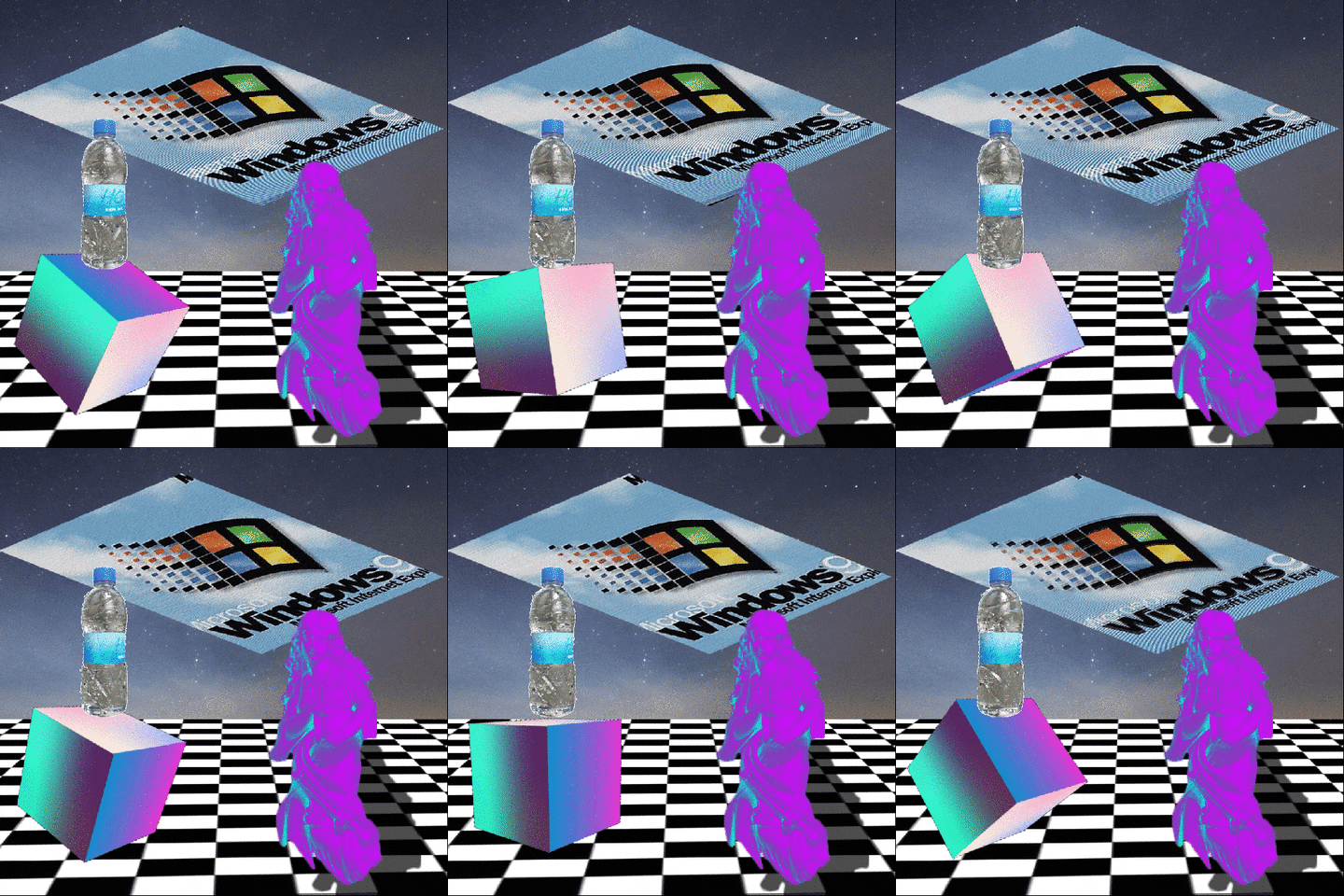
Yes, vaporwave is fundamentally a nostalgic design theme, too, being an internet-based art movement that emerged in the early 2010s. It is defined by its creative, often ironic, reinterpretation of 1980s and 1990s aesthetics. Vaporwave is deeply tied to a “surreal” or “fictional” nostalgia for a past that never quite existed, blending the optimism of early consumer technology with a melancholic, retro-futuristic, and even an anti-capitalist tone.
Exploring these different “cores” and styles can help marketers and designers tap into emotional resonance, cultural memory, and aesthetic familiarity in new and unexpected ways.
💡 Quick rule: keep readability modern. Nostalgia should never cost you clarity or mobile friendliness.
6. Where Nostalgia Shines in Email Flows
Nostalgia can lift performance, especially in these email moments:
- Welcome email: “Here’s what we’re about – and where it all started.”
- Re-engagement: “Still into this vibe? Your favourites are waiting.”
- Seasonal campaigns: back-to-school, summer, holidays (ritual nostalgia)
- Anniversaries: brand birthdays, “X years with you”, customer milestones
- Product relaunches: “The classic returns – improved.”
7. Test it Like a Marketer, Not a Poet
Run light A/B tests on:
- subject line: nostalgic vs straightforward
- content A/B tests: nostalgia-heavy vs subtle cue
- CTA language: playful vs direct
- audience: Gen Z segment vs broad list (or other age group comparison tests)
You’re looking for the sweet spot: emotional warmth and measurable clicks.
A Quick Nostalgia Checklist
- One clear nostalgic anchor (ritual / format / brand memory)
- Specific cues (sensory details beat vague “good old days”)
- Segment before you blast
- Keep the design readable and mobile-first
- One primary CTA
- Test, learn, repeat
Nostalgia in Marketing Is About Creating Warm Connections
In conclusion, nostalgia in marketing is more than a trend. It creates warmth, familiarity, and emotional connection in your emails. Focus on memories and experiences that feel attainable and uplifting, not lost or out of reach.
Understand your audience, choose clear nostalgic anchors, and pair them with thoughtful copy, design, and timing. Done well, nostalgia doesn’t just remind people of the past. It strengthens the bond with your brand today and turns a simple message into a moment of comfort, joy, and connection.
Explore shared memories, add a touch of sentiment, and let nostalgia delight, engage, and inspire your readers.